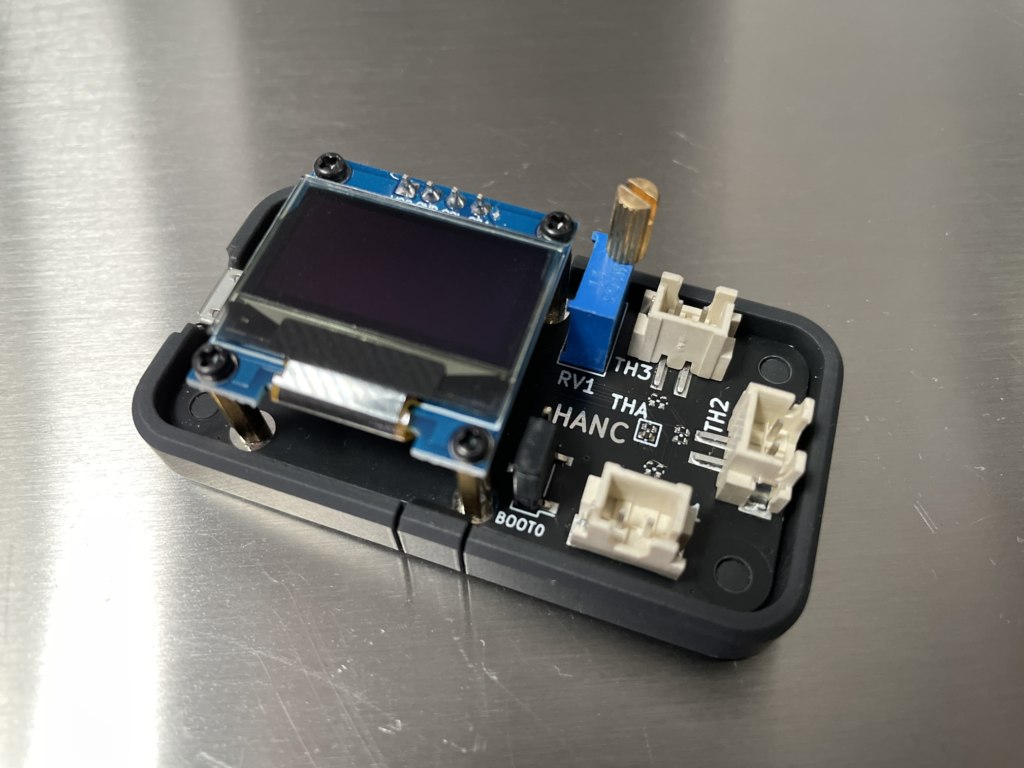
Prometheus, formerly known as HANC, the Heating Application with Network Computing (I'm so good at naming), started as an individual project in 2021. After a long night of stress testing computer systems, I realized all that extra heat was simply lost to the environment, turning electricity into carbon emissions. Prometheus was created to repurpose that computational waste heat as a source of residential and industrial heating.
The electric heater was invented in 1883.
Nearly 150 years later, modern electric heaters are still little hotboxes powered by a little electric coil despite massive improvements in technology. And if computers already convert every watt they draws into heat, why not put that heat somewhere we actually want it to be?
Even crazier is that on average, over 43% of the energy data centers use is spent entirely on cooling!
Through a distributed computing network composed of independently operating nodes, Prometheus was an attempt at an infinitely scalable, environmentally friendly alternative to traditional data centers, a new paradigm where the cooling problem no longer existed because heat was the intended outcome.
The goal was to bring environmentally conscious heating to consumers while making reliable computing power accessible to researchers, especially those working in medicine. To create a world where heating didn't just provide fire, but brought us a step into the future, like the Greek god Prometheus did for humanity.
I learned so much from this project, and I'm grateful for all the wonderful people who helped me along the way.
~ky
I initially partnered with BOINC and Folding@home to use open source infrastructure to distribute workloads.
Rather than ejecting waste heat into the environment, Prometheus dynamically generated heat only where it was needed, in both residential and industrial heating applications (e.g. greenhouses). It was also meant to revive old hardware: over 81% of the energy a computer consumes in its lifetime is spent in its manufacturing, and giving aged machines a second life meant keeping millions of tons of e-waste out of landfills.
For the consumer, instead of paying a utility to heat your home, your computer would pay you by selling its compute on the open market the way Salad and Orca are attempting to replicate today. The heat itself would be free, a byproduct of the work. My vision was to bring unlimited residential heating to everyone in America, funded entirely by the compute the network produced.
Prometheus was shuttered in 2025. The two things that broke it were the ones the current crop of companies still struggle with: bulk data transmission to and from residential nodes never worked at the scale I needed, and there was no good answer for verifying that work returned from an untrusted home machine was correct. My best attempt after years of research was a fuzzy verification scheme that traded off accuracy for throughput, and it still wasn't good enough.
Qarnot, my closest contemporary, took a similar approach; targeting industrial water pre-boiling with custom hardware rather than the broader consumer market where the majority of heating demand lives.
The workload has only gotten harder since. ML inference, the compute work that pays best today, is exactly the wrong shape for residential distributed compute: model weights are enormous, every cold start drags gigabytes across a home connection, latency expectations are tight, and verifying any inference result was impossible at scale. Not to mention security and privacy concerns with AI models on untrusted hardware.